
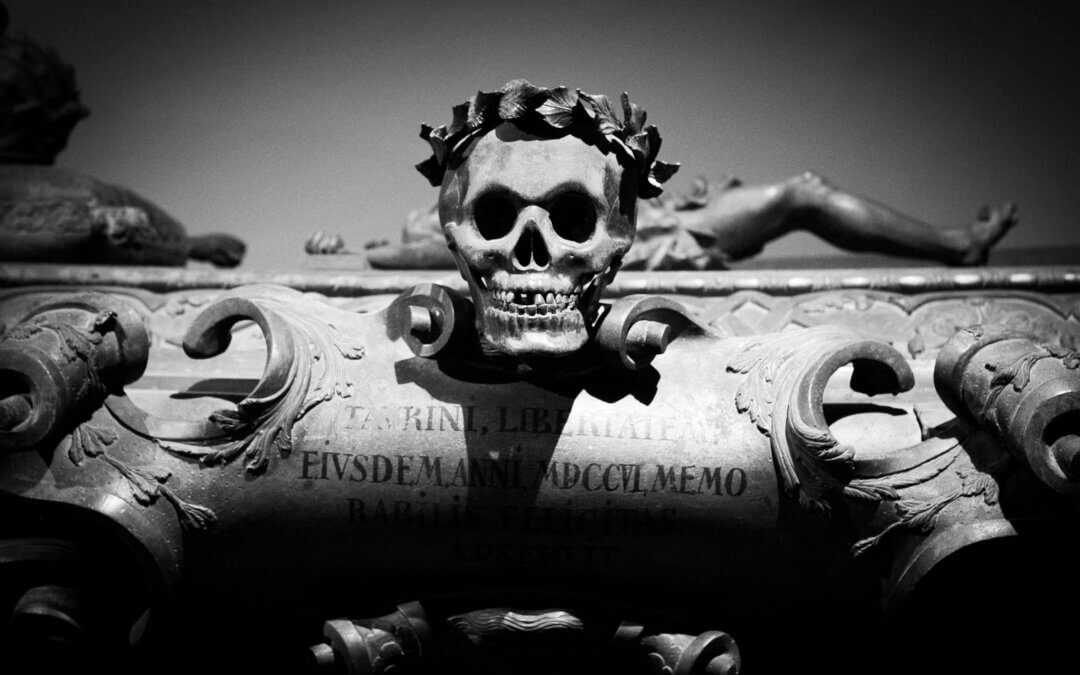
A Compelling Guide to Dark Tourism: Exploring Crypts, Bone Chapels, the Mythical, Magical & the Macabre
Dark History, Folklore, Myths and Legends: Exploring Ancient Sites across Europe
If you’re drawn to the darker side of history, the mystery of ancient places, and the stories that sit somewhere between fact and folklore, this is where it all comes together.
This is a space for exploring dark history, folklore, myths and legends through first hand travel experiences. From castle ruins and ossuaries to ancient landscapes and places we don’t fully understand.
As a solo female traveller, I explore these places first-hand, documenting the reality, the atmosphere, and the stories behind them. Delving deep into the Dark History of the places I visit, discovering the darkest history and old magic of the ancient civilisations of our world.
Start here if you’re new:
[What kind of traveller are you? Dark Tourist or Culture Vulture?]
[Solo Female Travel: Exploring Dark History Alone]
Dark Tourism: What is Our Fascination with the Macabre?
When I tell people I am researching Dark History and tell them stories about the grisly things I have discovered, people often ask, ‘Why?’ Why am I writing about these things? Why am I interested in these things? Why am I researching them?
They often think it’s strange, and some kind of taboo to take an interest in the ‘not so pleasant’ parts of the history of mankind. But history is history, and surprise, surprise, it’s not all sunshine and rainbows!
Well, as you’re reading this, I’m sure you have these interests too and the knowledge that not everything in life is inherently good.
As a solo female traveller, I explore these places first-hand through dark tourism, experiencing both the beauty and the darkness of the world on my own terms. Now I am inviting you along with me!
If you’ve ever wondered what kind of traveller you are — drawn to the darker side of history or the cultural beauty of a place — you might find yourself somewhere between a dark tourist and a culture vulture, just like me.
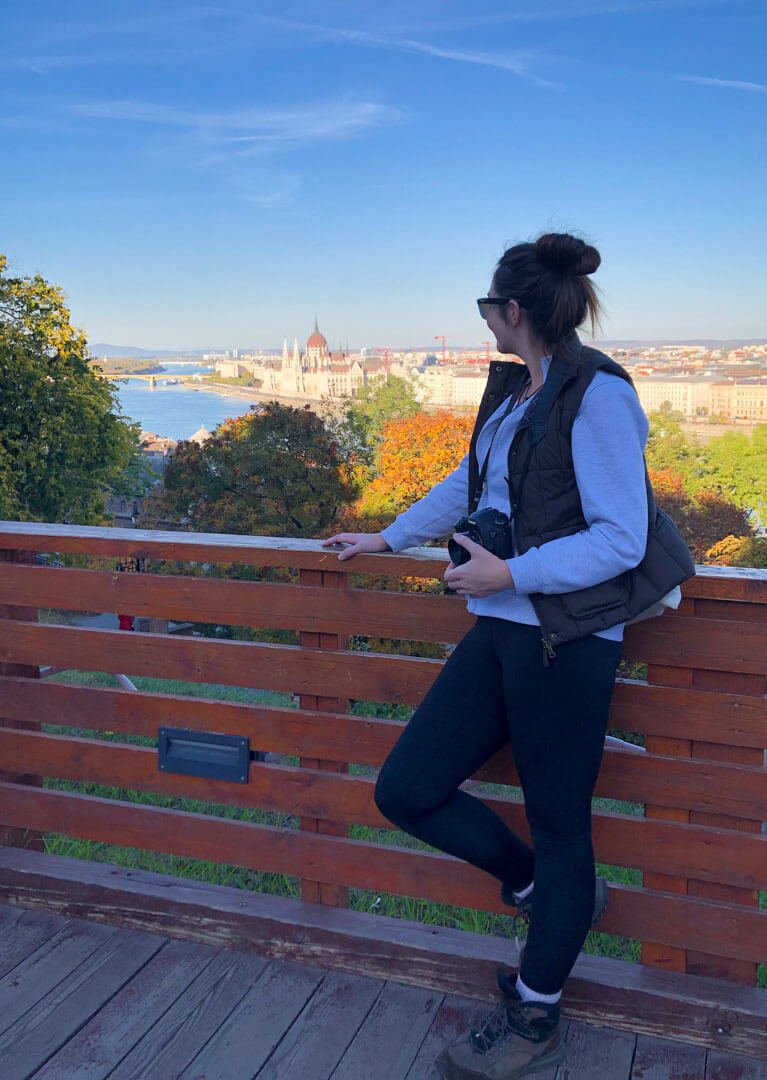
Dark History, Memento Mori, and the Fragility of Life
The world we live in was not built on happy thoughts and unicorn wishes; it was built on destruction as well as development. There is no light without dark, Yin and Yang, Shiva and Shakti (the Masculine and the Feminine), Good and Evil, and vice versa.
Through Dark History travel and visiting dark tourism destinations, we can begin to understand the delicacy of life, how fragile and precious it really is, and as long as you can tune into the idea that sooner or later we all must die, we all follow the same path, then it can really put into perspective what is and isn’t so important in life. It is about self discovery and reflection, as much as it is about paying respects and recognising the past for what it is.
Dark Tourism & Why I’m Drawn to the Macabre
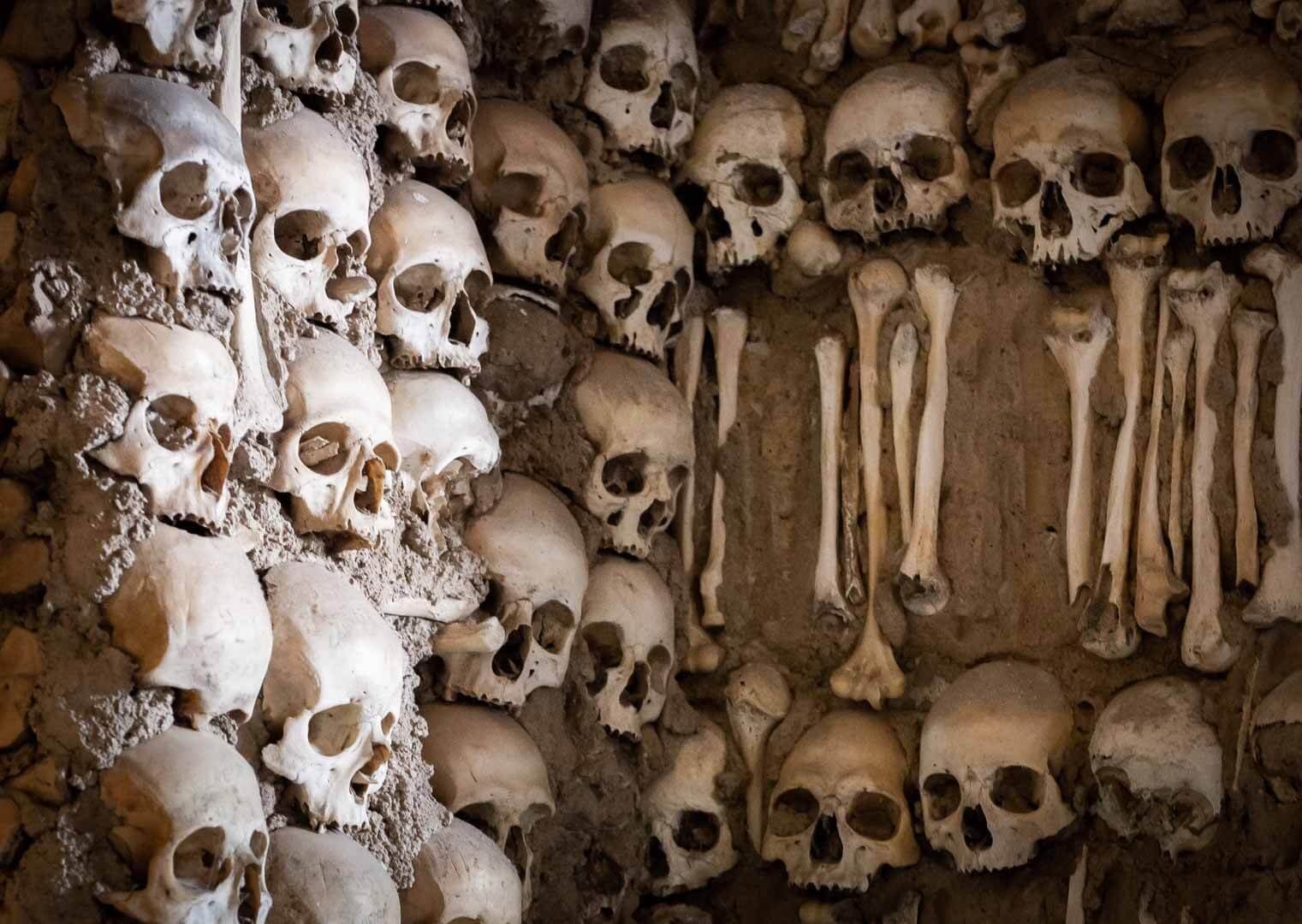
Discovering Ancient Historical Places in the World as a Dark Tourist
I have always been drawn to unusual things; magical, macabre things that are not what would be considered ‘usual’. I like to see into other worlds, not just the one where we have to do all the normal, sometimes mundane things, like making money and paying rent. There is a very weird and wonderful world out there, and I intend on exploring it!
I delve into these times because the plain hard facts of life are that not everything and everyone is completely good. History, whether you choose to ignore it or embrace it, will always be written in our past as humans. The past is the foundation of how we live today, and all of it is important, not just the good bits! I feel that a lot of the empathy for the past is lost amongst the busyness of modern-day living, and I feel it is important to keep it alive and as true to the bone as possible.
Dark Storytelling, Gothic Novel Inspiration, and Tales of the Macabre
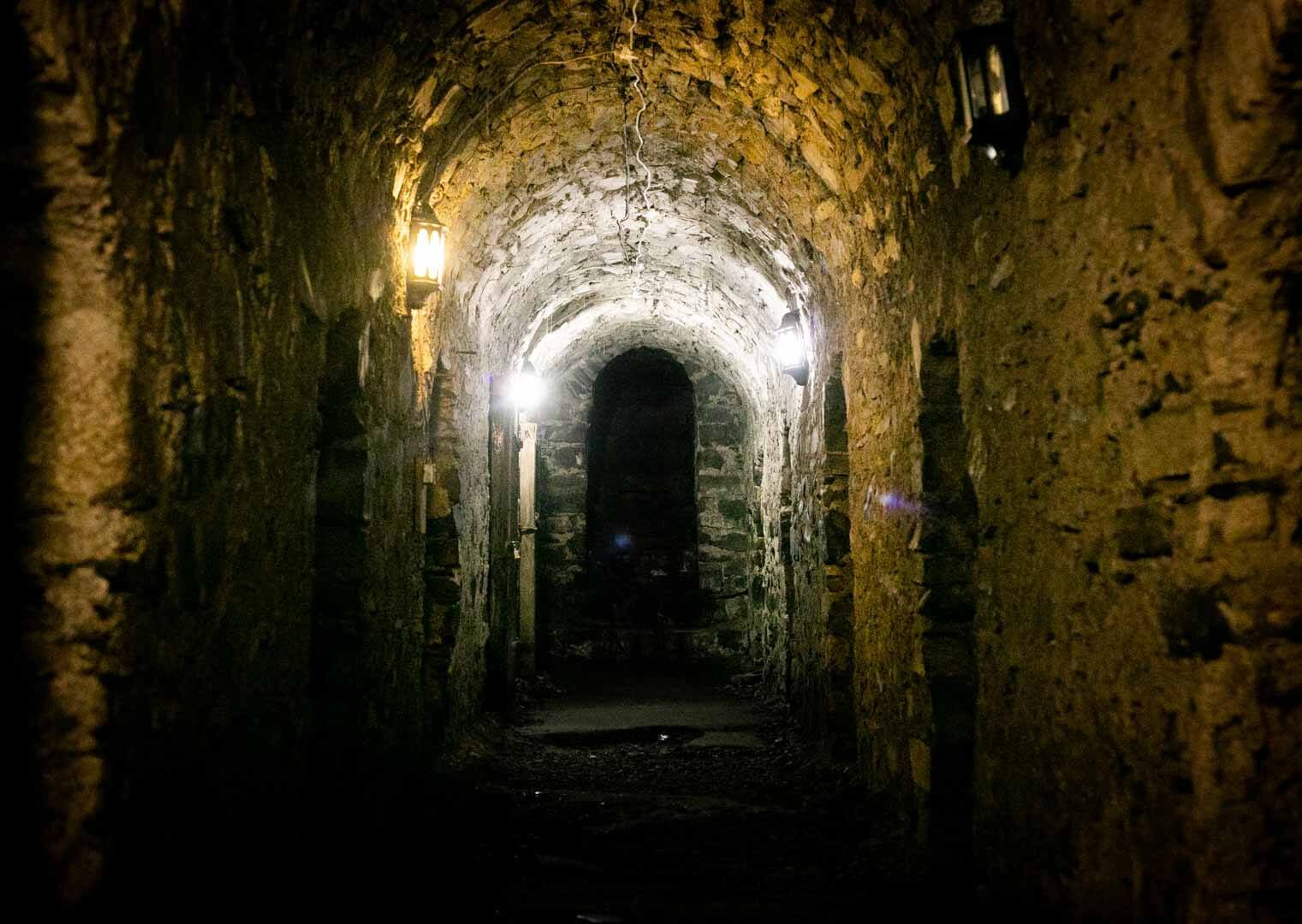
Vampire Myths, Folklore & Gothic Origins: The Intrigue of Darkness
There’s something in the darkness that causes intrigue. A sensation of exploration that all isn’t exactly what it may seem on the outside. Like in the Crypts under St. Michan’s Church in Dublin, Ireland, where Bram Stoker visited as a child, and was Dublin’s first tourist destination.
The idea of the Vampire, for example, was popularised by Bram Stoker’s Gothic Novel ‘Dracula’ in 1897 and Joseph Thomas Sheridan Le Fanu’s Novella Carmilla’ in 1872.
Today, the idea of the vampire has been brought to life a countless number of times through books, films, and artwork, from Stephen King’s ‘Salem’s Lot’ to the hit TV series ‘Buffy the Vampire Slayer’ with variations and depictions of the vampire evolving throughout history.
But if we trace these ideas backwards and start to delve into where they really came from, we can begin to understand that the origins of the vampire date back centuries, from Slavic Folklore and Eastern European beliefs about family possessions and demonic spirits that would cause and spread disease to family members.
There is official documentation recorded of bodies that continued to grow hair and nails after death, and when exhumed would be noticed to have blood droplets around their mouths leading people to believe they had reanimated and sucked the blood from people and animals in the villages. These and other bodies would be staked through the heart to prevent the ‘Vampire’ from doing more damage to the living.
Of course, medically what we knew then to what we know now definitely has a part to play in this.
Real Figures Behind Vampire Legends
Looking further into the origins of the vampire, the drinking of blood, the supernatural behaviours, and the demon-like nature of Count Dracula are in fact based on real-life people; namely, Elizabeth Bathory, the Blood Countess of Hungary, and Vlad the Impaler (Vlad Tepes), the legend of Transylvania.
The Romanticised depictions of the ‘Vampire’ resemble closely to those of these people in history. The Blood Countess, who allegedly drank and bathed in the blood of virgins to preserve her youth (although this has never been proven), and the infamous Vlad the Impaler, whose actions turned him so evil that people actually believed he had been overtaken by demons and had supernatural abilities.
Visiting Dark History Sites in Europe as a Dark Tourist
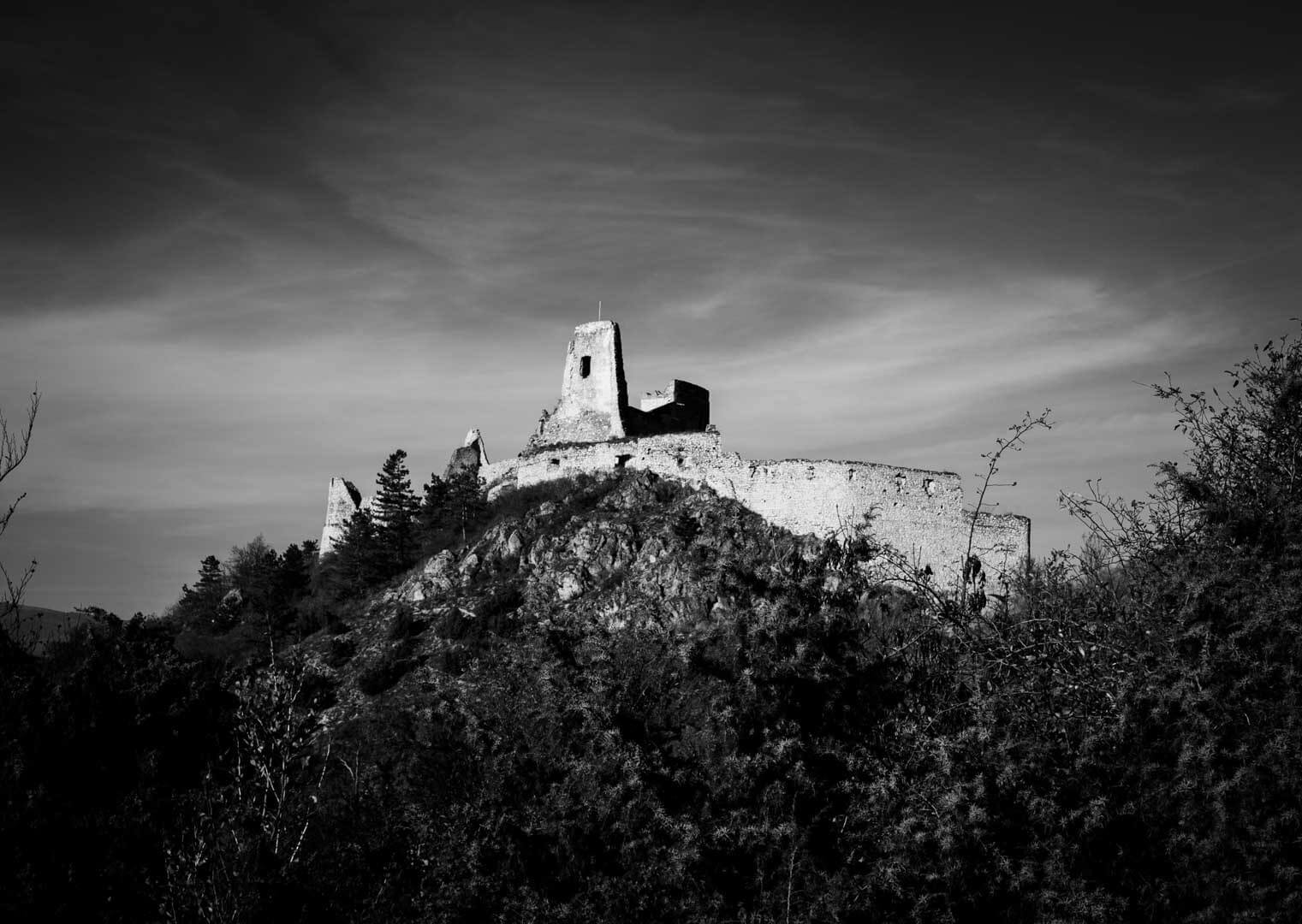
It is through my own intrigue that I have visited places such as Cachtice Castle in Slovakia, where Elizabeth Bathory was imprisoned in a tower with no light for years and ultimately died.
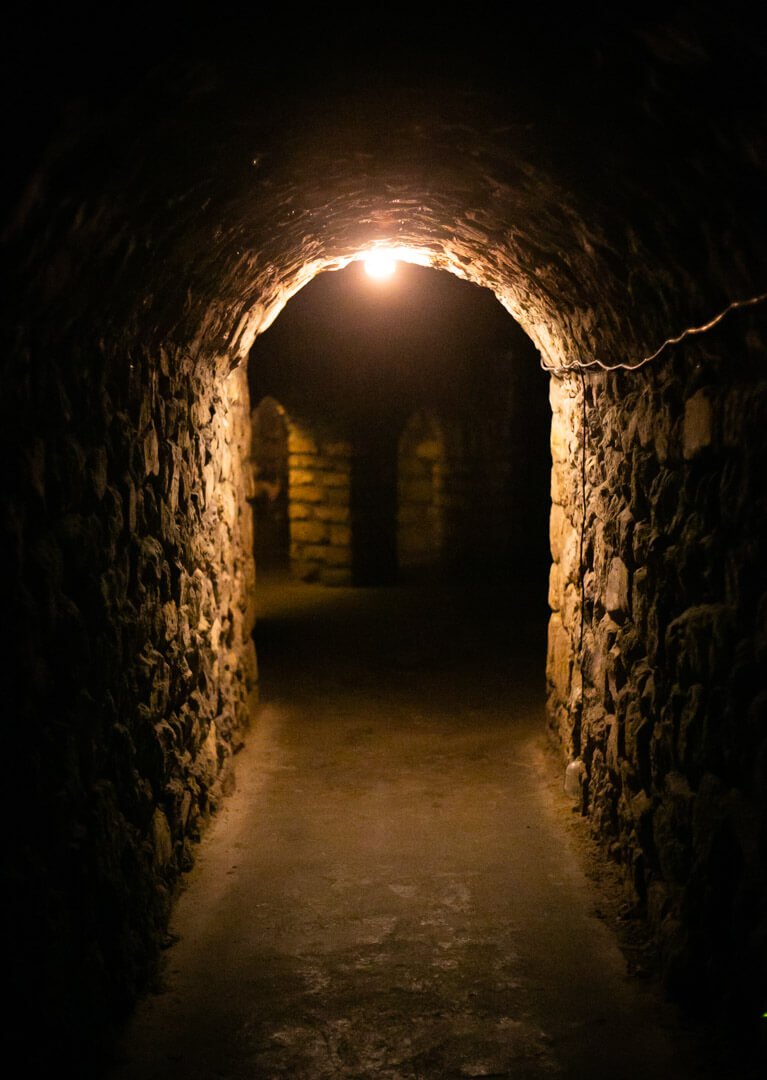
And the likes of the Labyrinth under Buda Castle in Budapest, where Vlad the Impaler was imprisoned by King Matthias Corvinus and allegedly tortured underground for several years.
If you are interested in becoming a dark tourist and would be curious to travel to either Elizabeth Bathory, the Blood Countess’s Castle, or where Vlad the Impaler was imprisoned under Buda Castle yourself, you can find more information and travel guides by clicking on the links below:
[Cachtice Castle: The Blood Countess’ Fortress]
[The Labyrinth Under Buda Castle: Vlad the Impaler’s Prison]
Folklore, Myths, and Legends: Discovering Dark Historical Stories through First Hand Travel
Seeking Truth in Dark History
History tends to get a little lost in translation sometimes, with certain aspects glorified or turned into something perhaps they’re not. But where does the truth lie? This is what I seek. The truth. The fundamentals of what created the ideas we have today, and the grisly truth of what inspired them.
Folklore, Fear & Moral Stories
Folklore also plays a distinctive part in history. Sick children would be thought to have bad spirits in them or be cursed with evil spirits if they were sick.
Although many folk tales were made up to keep naughty children in their beds at night, or else they would be eaten by this that or the other!
Scare tactics like this probably wouldn’t be very ‘moral’ in this day and age, but it’s likely they are still used by some people!
Of course, people through the ages have kept different beliefs, with many folk tales stemming from actual worries and supernatural beliefs that they held to know were true. With advancements in medicine, science, and everything else, supernatural beliefs have somewhat disappeared in the modern age, but they were once a very real thing, and a common collective fear.
UNESCO World Heritage Sites in Europe: Discovering Dark History through Travel
Gothic Architecture & Cursed Legends
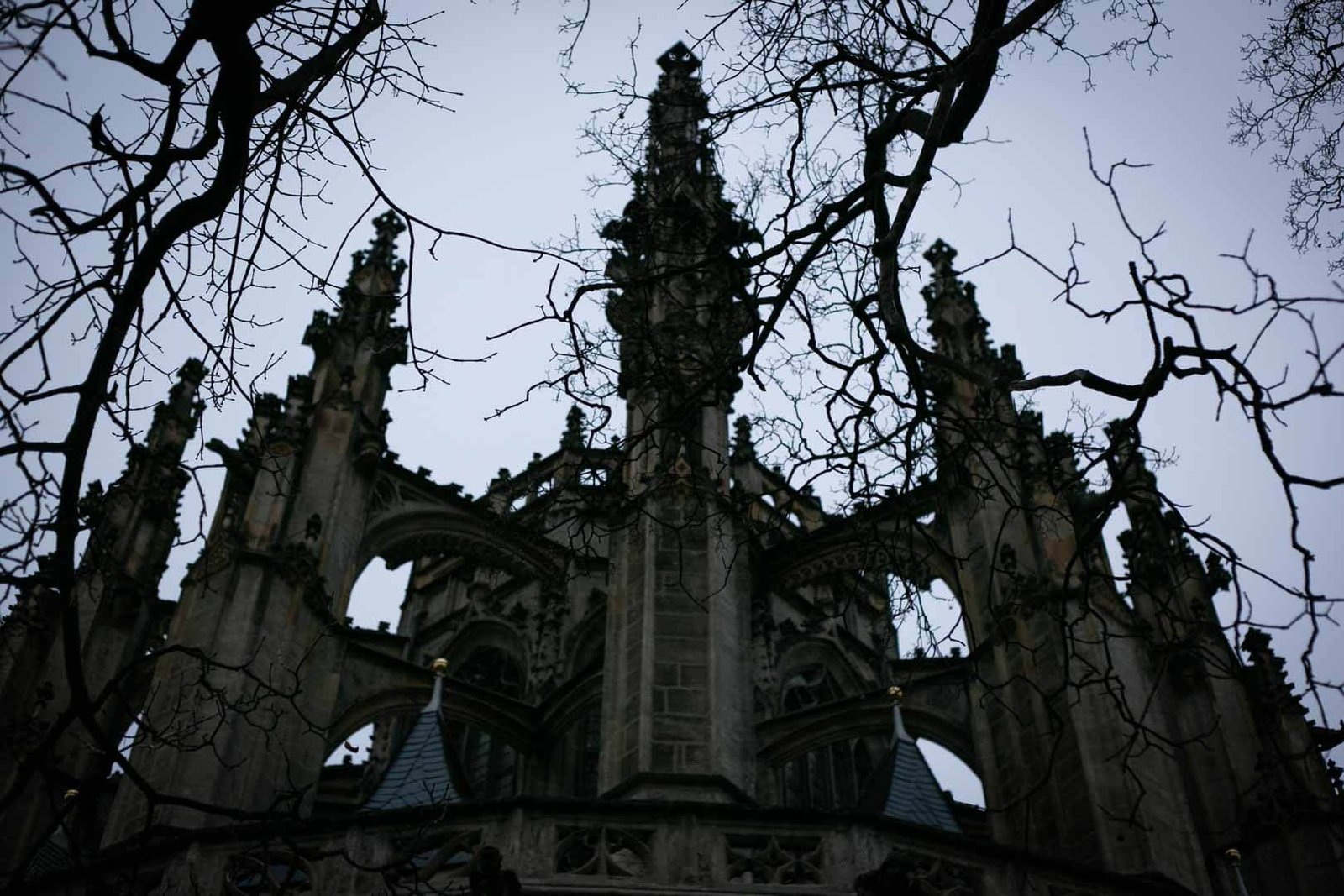
The intrigue of dark history isn’t all about folklore and the supernatural; there are many places with Gothic Architecture that also inspire the feelings of something unusual, predominantly in Prague, in the Gothic Cathedral and St. Barbara’s Church in Kutná Hora. Being in these places is like being transported back in time.
Kutná Hora is also home to one of the most unusual and haunting sites I have explored — Sedlec Ossuary. A Bone Chapel like no other. Like many places tied to dark history, it sits within a UNESCO World Heritage Site and is known for its intricate displays, wall hangings, and chandeliers made entirely from human bones.
Photographs are understandably not allowed in the Ossuary due to some previous grotesque and unthoughtful ‘selfies’ with movement of the bones too. So respect these ideas! If you do want to have a look for yourself, a quick Google search will reveal some historic photos of the Ossuary.
When in Prague, for example, you can also discover the Astrological Clock in the gothic towers of the Old Town and the story of the Clockmaker who threw himself into the clock mechanisms to prevent himself from being used to make more clocks for more greedy people!
The clock is said to be cursed, but what do you think?
UNESCO World Heritage Sites & Ancient Architecture Mysteries
There is something about ancient places that feels different. Not just old, but alive in a way that modern spaces aren’t.
When you stand in places recognised as UNESCO World Heritage Sites, you begin to realise that history isn’t just something you read about — it’s something you can stand inside. These places have survived centuries of destruction and change, and yet, they remain.
UNESCO recognises them for their cultural importance, but I often feel like what they represent goes beyond what can be explained. There is something in the stone, in the silence, in the atmosphere that lingers.
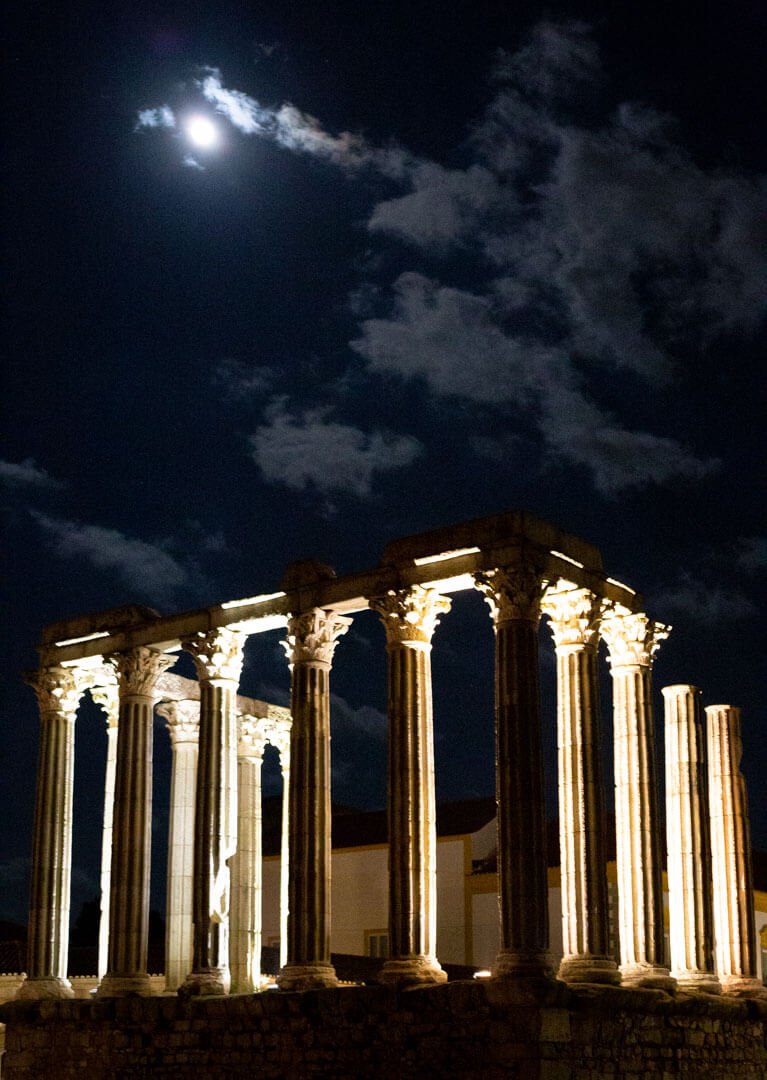
Like the Roman Ruins in Évora, Portugal, which I was very excited and surprised to find whilst seeking out another Bone Chapel, Capela dos Ossos.
Preserving History and Historical Buildings: The Importance of UNESCO World Heritage
Some of the places I’ve visited that hold this recognition include the Labyrinth under Buda Castle in Budapest, as well as Capela dos Ossos — the Bone Chapel in Évora, Portugal. Both are protected as UNESCO World Heritage Sites, preserved not only for their history, but for the stories and atmosphere they continue to carry.
Ancient architecture carries a mystery we don’t fully understand. How were these places built with such precision? Why do they feel the way they do?
It’s this that feeds into the idea of “magic” for me. Not fantasy, but something subtle. Something you feel, even if you can’t explain it.
Monoliths, Standing Stones, and Ancient History
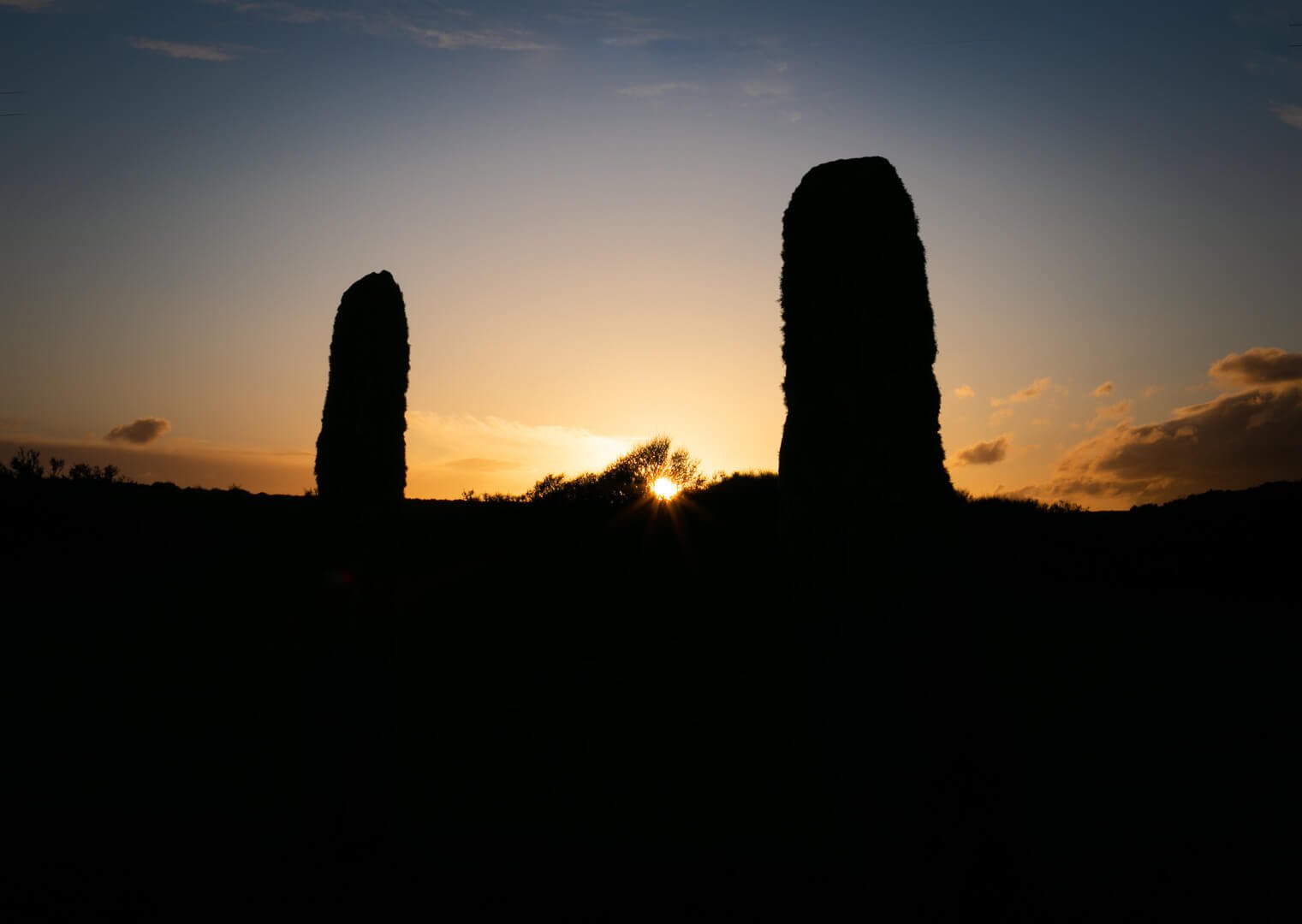
Ancient Sites, Druids & the Mysteries of Standing Stones
It’s not just grand cathedrals or preserved cities that hold this feeling — some of the strongest energy comes from places far older, and far less explained.
Places like Holyhead in North Wales, where ancient Druids are said to have once gathered, carry a presence that is difficult to put into words. Standing in landscapes like this, surrounded by rugged coastline and ancient stone, you can feel that something existed here long before us.
Monoliths, standing stones, and burial sites scattered across the UK and Europe only add to this mystery. These structures were created thousands of years ago, yet many of their true purposes remain unknown. Alignment with the stars, ritual, worship, burial — or something else entirely?
We try to explain them, to categorise them, to make them make sense. But the truth is, we don’t fully understand them.
And maybe that’s where the magic lies.
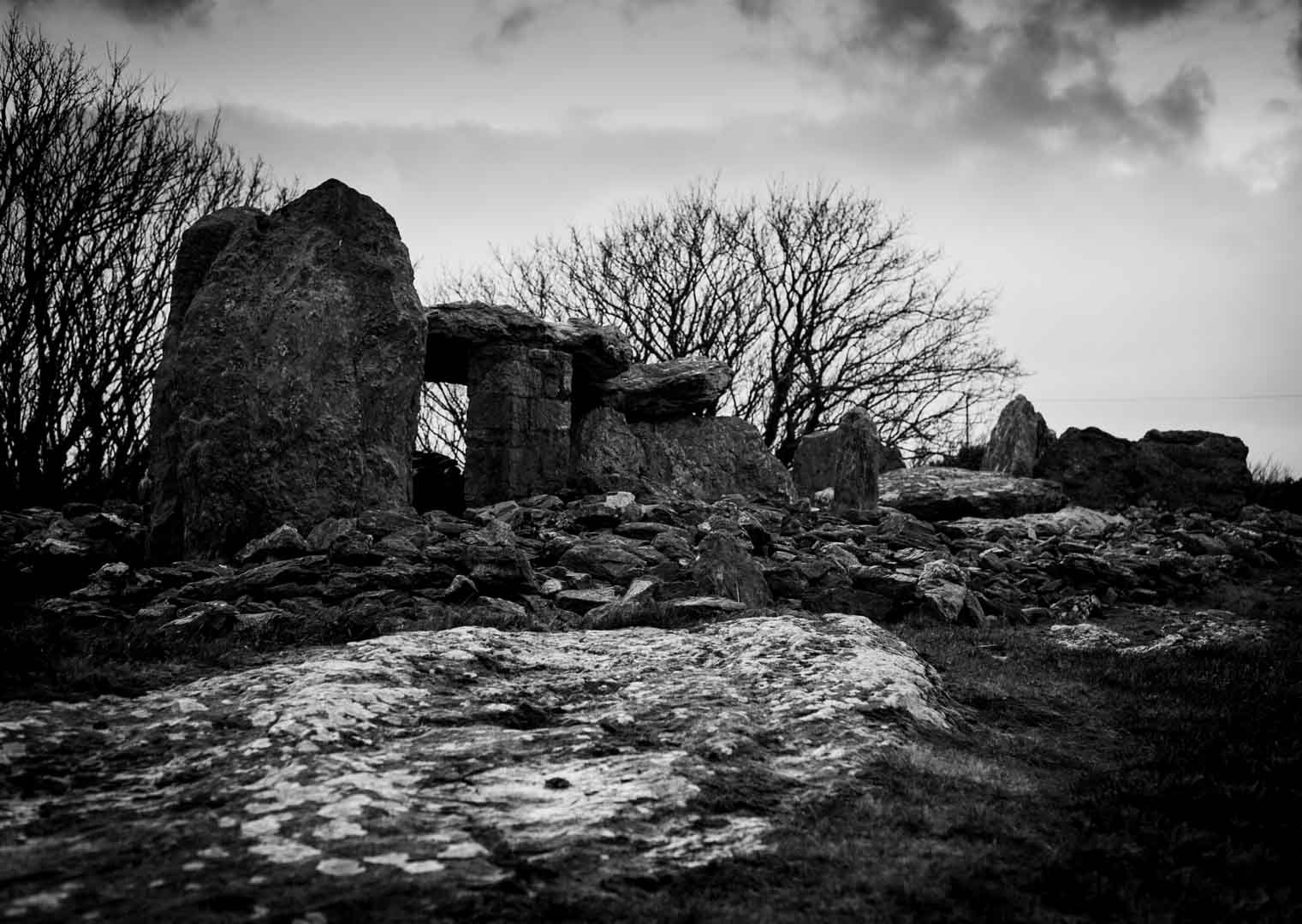
The Extraordinary Mysteries of Ancient Burial Sites and Neolithic Tombs
These places don’t give you answers in the same way modern life demands them. Instead, they leave you with a feeling. A sense that there is more to this world than what we can see or prove.
In this day and age where there are over 8 billion people on the planet, it really puts something into perspective on how quickly modern civilisations have evolved and expanded so rapidly. To give you a small (or very complicated) food for thought, when the Trefignath Burial Chamber was built (above) around 3,750 – 3,000BCE there was an estimated population of around 50 million people on the planet (although we can never really confirm that!).
It’s crazy to think that when these ancient civilisations were here, there were so many less people, different beliefs (or maybe some the same), different priorities, completely different lives, but on a level between our evolution and the population as it is today.
There is certainly something ancient, something quiet that you can feel when visiting these places first hand. I feel very calm when I am around them.
Ossuaries, Bone Chapels & Finding Meaning among the Dead
It’s places like these, alongside sites like Capela dos Ossos in Portugal, that blur the line between history and something more spiritual. Spaces built from human remains, ancient ritual landscapes, and sacred ground all seem to hold onto something we can’t quite define — but can definitely feel.
Places like the Sedlec Ossuary in Kutná Hora, often referred to as the Bone Church, continue this connection between death, history, and meaning — another site preserved under UNESCO that I’m looking forward to sharing more about.
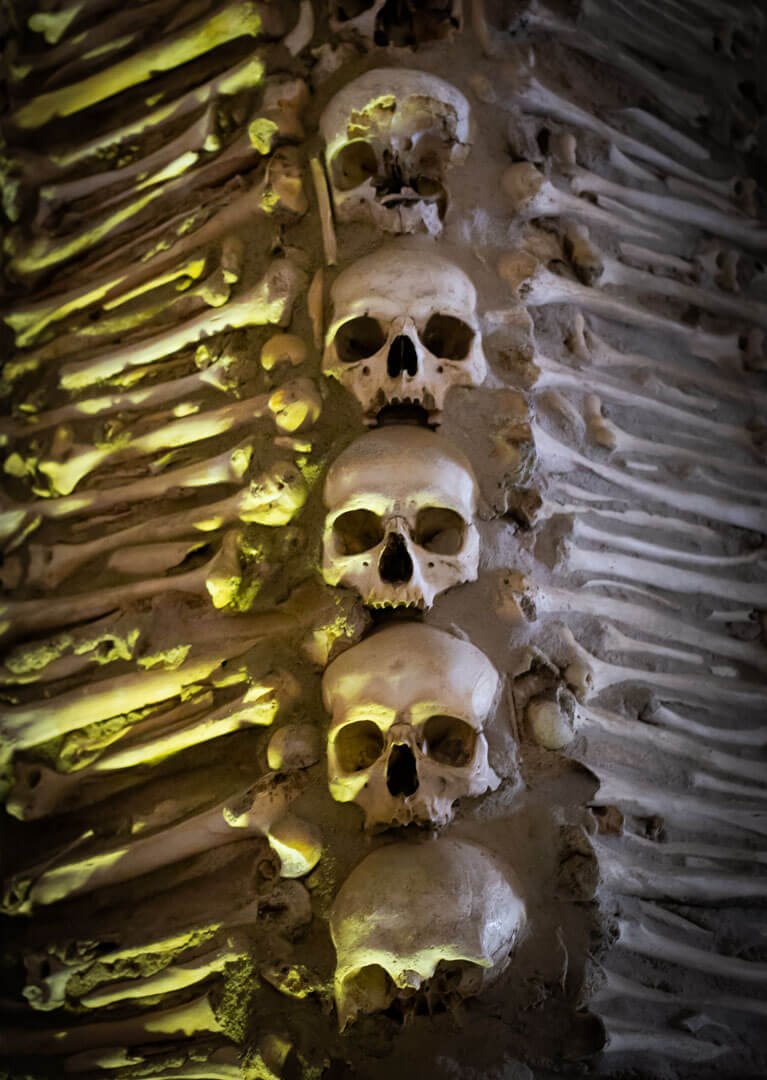
Places like ossuaries and bone chapels bring the concept of death into something physical, something visible.
[Capela dos Ossos: The Bone Chapel of Évora, Portugal] + Kutna Hora
Spaces like these are not just historical sites, but reflections of belief, mortality, and meaning.
Memento Mori: Finding Peace with the Dead
I feel a sense of calm when spending time with the Dead. There is no nonsense, petty behaviours of humankind, opinions or worries, just quiet. Just you and them (and the other tourists).
Essentially, if you zone into your experience, it can be very enlightening. Spaces like this bring on the concept of the Latin phrase Memento Mori, which translates to ‘Remember we Must Die’.
Rather than a gloomy, depressing idea, it evokes the sense of how precious our lives really are. We are on this planet for such a short amount of time compared to the bones that we leave behind. Death is inevitable (unless, of course, you have immortality!), and it’s one of the things that we all have in common in this life!
Graveyards, Ossuaries, and Self-Reflection
I love to spend time in Graveyards and seek out Ossuaries. When I feel overwhelmed or simply need some peace, I will visit a Graveyard, or sometimes one will spring up and surprise me naturally…
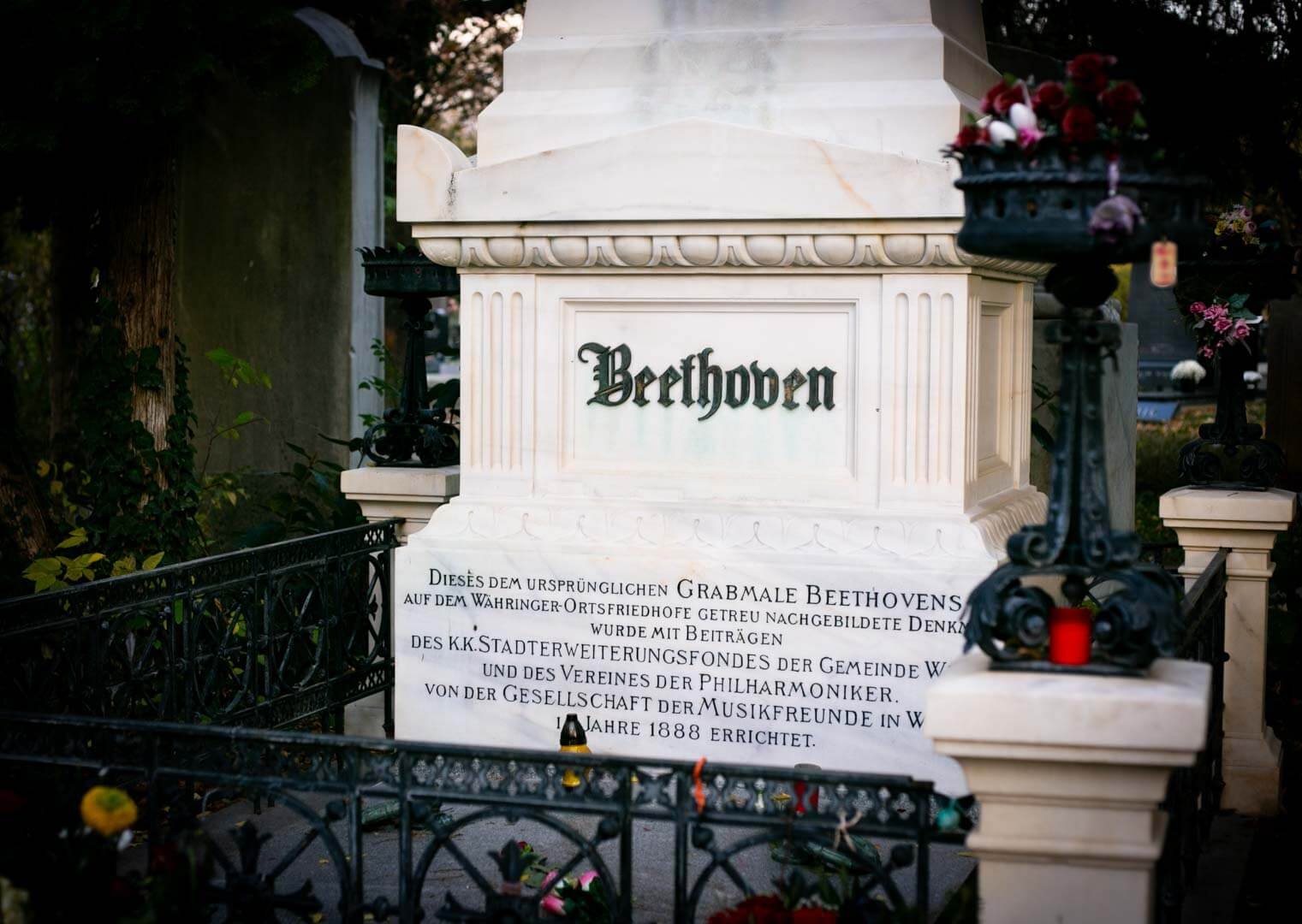
It was in Central Graveyard in Vienna, Austria that I visited the graves of the great composers Ludwig van Beethoven, Wolfgang Amadeus Mozart, and Johann Strauss.
Vienna’s Central Cemetery is a place I’ll be writing about in more detail, as I had quite an incredible experience there. It is actually a popular tourist destination in Vienna, with many people paying their respects here.
Why Dark History Matters
So, why do I write about these things, and why am I interested in them? Perhaps for the same reasons you are! But mainly because they are important. Because they existed in history, and because they are real.
Why should we turn a blind eye to the facts that made us who we are today, and bring light to the strength and resilience of our ancestors, as well as the cruelness of human behaviours (so that we can conquer them!)?
Ideas and thoughts have evolved and changed greatly over the millennia’s, and figuring out discovering our past is truly fascinating.
With so much Dark History in the world, we should be grateful today for the things we have and are able to do when it hasn’t always been this way for us.
Next time you take a hot shower or sip a nice cup of tea, remember to have gratitude and to appreciate Life!
Explore Dark History Destinations: These are my suggestions for you to explore next:
[Cachtice Castle, Slovakia]
[Buda Castle Labyrinth, Budapest]
[Capela dos Ossos, Évora]
Curious for More Macabre and Mythical Content?
If you’re intrigued by dark history, ancient magic, mythology, folklore, and the macabre, this is just the beginning.
This blog will continue to explore:
- Ancient Historical Sites and Sacred Landscapes
- UNESCO World Heritage Destinations
- Dark Tourism Destinations
- Folklore and Mythology
- Solo Female Travel Experiences + Travel Tips
- Memento Mori and Reflection between Life and Death
- Dark Storytelling – Historical Figures with Dark and Magical pasts
Click Here for More Magical, Mythical & Macabre Content!
Click here to be redirected to more Curious Content and Dark History Travel Stories. Thank you for stopping by and safe travels!