
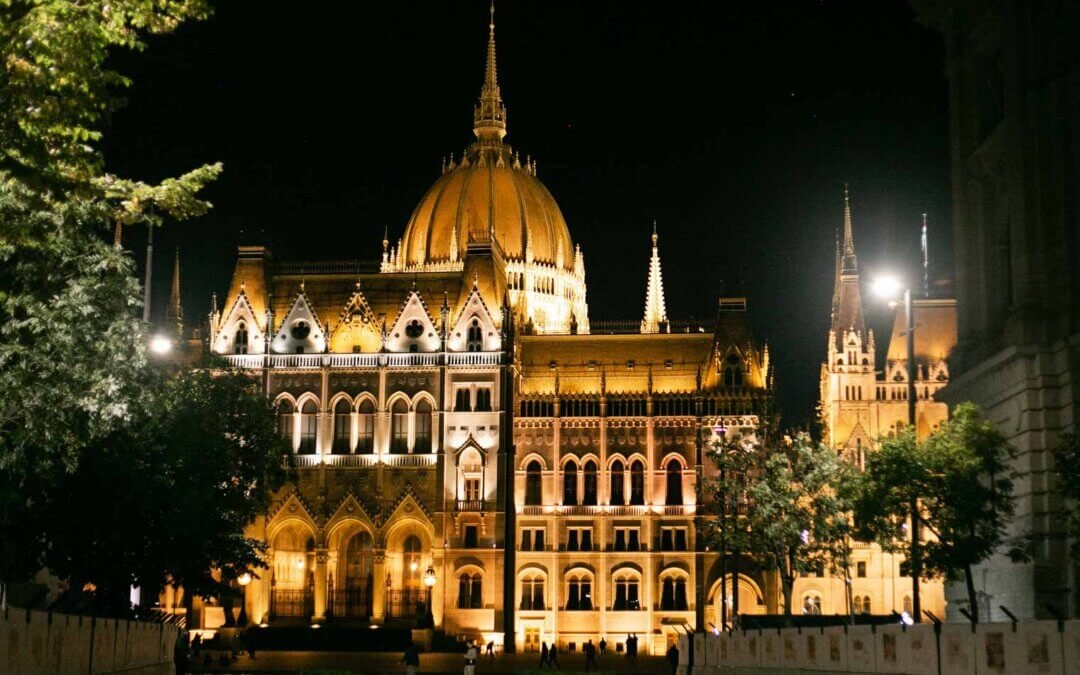
How Discovering your Travel Type can lead you to your Ideal Travel Destinations
What kind of traveller are you? Do you find yourself drawn to ancient ruins, UNESCO World Heritage Sites, and the stories of past civilisations, or do hidden crypts, forgotten graveyards, underground labyrinths, and places steeped in dark history capture your imagination?
History and culture are deeply intertwined, and some of the world’s most fascinating destinations offer an opportunity to explore not only remarkable heritage but also the mysteries, legends, and darker chapters of our world history.
In this blog, I’ll take you through some of the most atmospheric and intriguing places I’ve discovered—from bone chapels and medieval crypts to ancient ruins, historic castles, and sites rich in folklore and magic. Whether you consider yourself a dark tourist, a culture vulture, or simply someone with an insatiable curiosity, these destinations promise unforgettable stories waiting to be uncovered.

Are You a Dark Tourist?
Are you interested in the darker sides of history and intrigued by the ups and downs of humanity, the connection between life and death, interested in paying your respects to the people lost by war, plague, and tragedy?
You could well be a Dark Tourist. Read on for more information regarding dark tourism, why we are draw to the darker sides of humanity, the macabre, and death.
There are many historical sites that can be visited around the world as a dark tourist. These can range from graveyards, bone chapels, places of warfare , and many UNESCO World Heritage sites.
You will find many destinations to visit as a dark tourist whilst this blog grows. But it’s not all about dark tourism!
If you are someone who is interested in the history of a place, it’s people, the architecture, music, and art of a particular place then read on…
A Culture Vulture?
As well as visiting places with Dark History, this blog is also about visiting places with ties to folklore, myths, legends, and places of historical significance to our lives.
If you are interested in visiting historical places that are rich in cultural history, such as cathedrals, ancient historical sites, and UNESCO World Heritage sites, then you could well be a culture vulture like me!
I am intrigued by many dark historical places, and am drawn to places with ancient historical significance, such as standing stones, ancient burial sites, castle ruins, ruins from ancient civilisations, and places that we don’t fully understand yet.
On this blog, you will find culture rich travel destinations throughout the UK, Ireland, and mainland Europe.
Or a bit of both?
It’s interesting to see the connections and differences in civilisations from different places. We can find so much information on how ancient civilisations used to live, what their trades were, what languages they used to speak, their beliefs and so much more through historical travel.
There is an abundance of culture rich places to visit in this world, and you find many of them written about on this blog, as it grows.
There are of course many other travel types; you could be a foodie, a luxury traveller, or anything in between! But for the purpose of this blog, if you are a Dark Tourist or Culture Vulture, or simply like to read about first hand dark and historical travel stories, then you have found the right travel blog for you!
This blog will include travel inspiration, dark and ancient historical travel, and of course the most intriguing and magical cultural travel destinations and dark history storytelling.

Why are we Drawn to Dark History, Folklore, and Ancient Places?
There is a reason some of us feel more connected to ancient ruins, dark history, folklore, and atmospheric historical places than modern tourist attractions.
Some travellers are drawn towards mythology, forgotten worlds, Gothic architecture, underground tunnels, UNESCO World Heritage Sites, or ancient places connected to dark storytelling and historical figures. Others feel most alive exploring castles, graveyards, abandoned ruins, and historical sites in the world that still carry that ancient energy of the past.
Travel means something different to everyone, but the places we are naturally drawn to often reflect the stories, emotions, and experiences we want to connect with most.
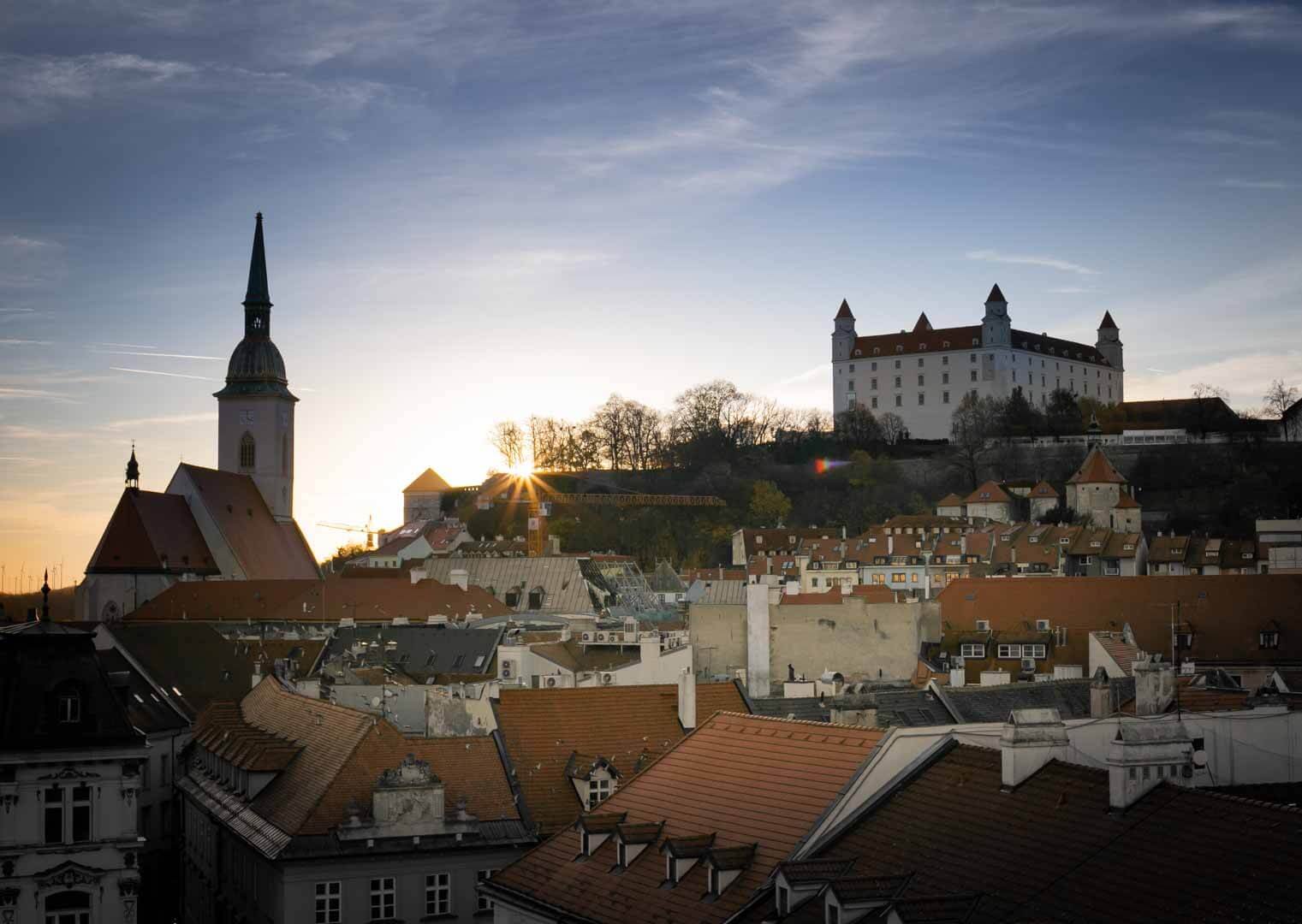
Dark Tourism & Why it's Often Misunderstood
Dark tourism is often misunderstood.
People sometimes assume it is simply about visiting creepy or macabre places, or snapping a selfie in a dark historical place. But for many travellers, being a dark tourist goes well beyond this.
It is about understanding the darker side of human history — war, tragedy, superstition, death, and the stories many people would rather forget. It is about paying respects, and it is about having a curiosity in death, the connection between life and death, and the macabre.
History is not all happy thoughts, as we all know. It is a natural desire to feel curious about the darker aspects of life, as well as the good.
Some of the most important stories throughout history are also the darkest, and visiting these places can help us better understand humanity itself. A lot of the time, dark historical travel is not about fear at all, but remembrance, reflection, and understanding.

This is where dark storytelling becomes so intriguing, and that intrigue is sometimes misunderstood or mistreated. Stories connected to castles, executions, forgotten rulers, plagues, folklore, and historical tragedy continue to shape the way we experience places today.
There is a level of respect and compassion when exploring places with dark pasts, but that is honestly up to the individual. Please always be respectful when visiting resting places, places of historical unrest, or anywhere with a dark past.
The stigma around being a dark tourist hasn’t just come from curious travellers visiting certain places, it has come from certain types of human behaviour when being in these places, such as moving skulls/bones in Ossuaries and taking vulgar selfies with them, taking objects from places of rest, or just being downright disrespectful of the past.
Be respectful. Show compassion. Leave the place as you found it.
While some places you can visit as a dark tourist do allow photography, such as Capela dos Ossos, the Bone Chapel of Évora, Portugal (shown above), many do not, so always check before you visit or check for signage to see if you are allowed or not allowed to take photos in or around your destination.
Dark History, Legends, and Historical Travel
Many historical places you can visit as a dark tourist do not involve a direct visual experience to death, but an emotional, curious, or spiritual experience instead.
There are many castle ruins, ancient burial sites, and ancient monuments throughout Europe, many of which have their own share of dark history connected to them.
Visiting these places reminds us of the history that has come before us, fuels our imaginations, and ignites further curiosity in the meaning of life and death.
Understanding Dark Storytelling and the Significance of Dark Historical Figures
Historical figures are also remembered differently depending on where you are in the world. Vlad Tepes, (Vlad the Impaler), for example, is viewed by some in Romania as a great defender and ruler, while elsewhere he became heavily associated with Dracula, cruelty, and vampire mythology.
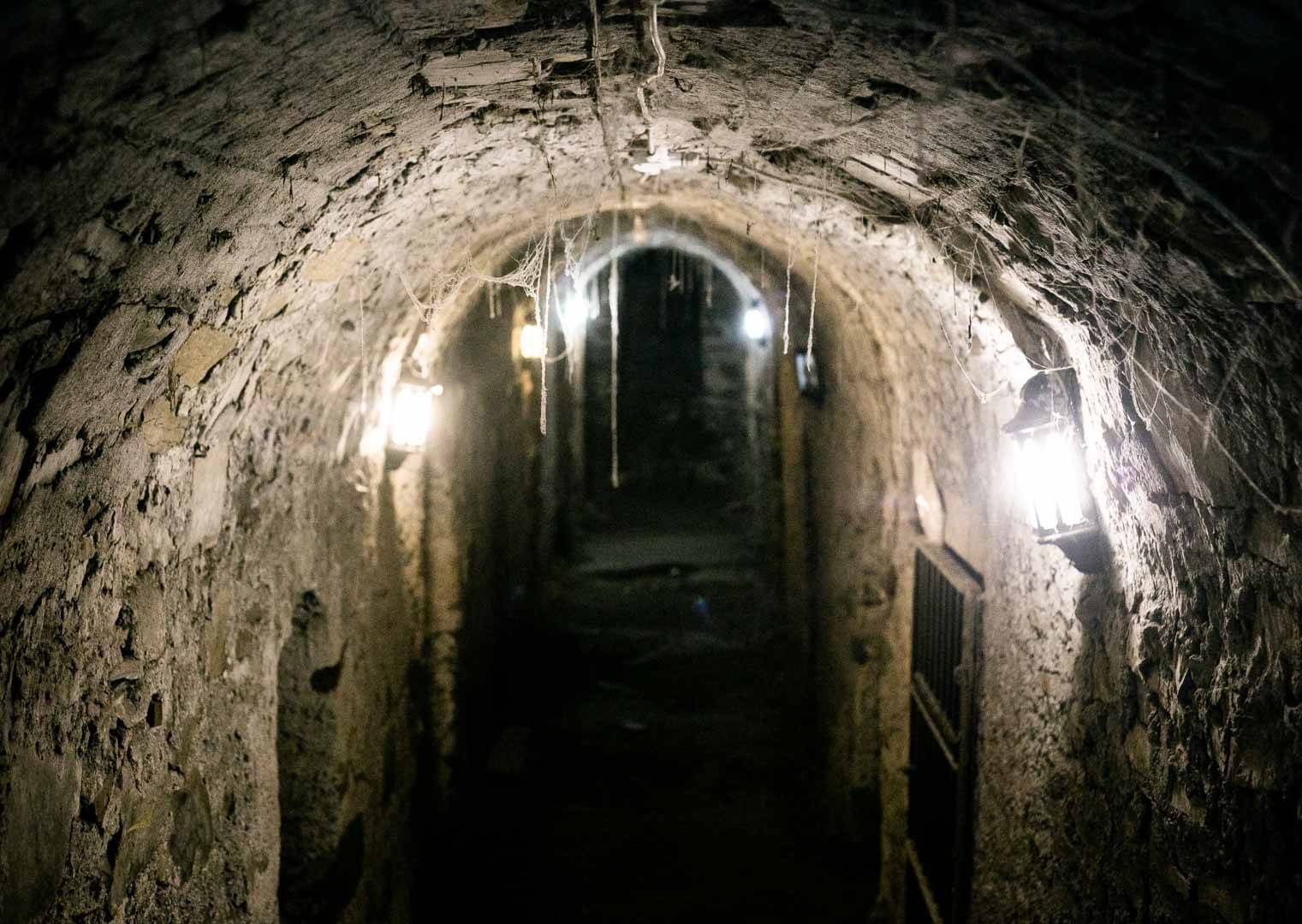
If you’re interested in learning more about Vlad the Impaler, or are wondering where you can visit to find out more history on this person, then follow this link to take you to where he was imprisoned in a tunnel system underground for several years, in what is now modern day Budapest!
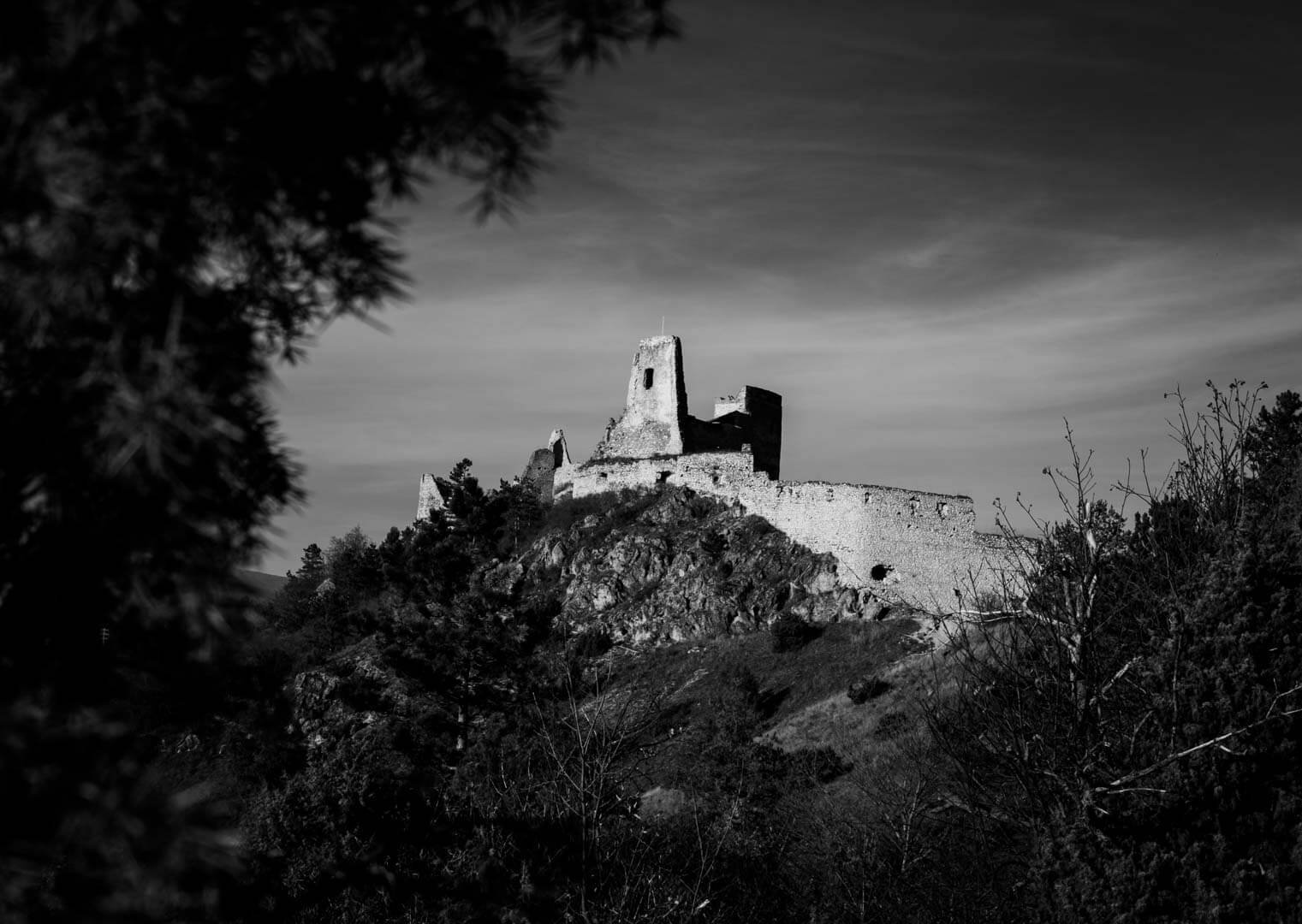
You can also find out what it’s like to visit an ancient European castle that was home to the alleged Blood Countess, Elizabeth Báthory by visiting Čachtice Castle. She was also part of Bram Stoker’s inspiration for the Gothic novel, Dracula.
Places like Čachtice Castle in Slovakia blur the line between history and folklore. Surrounded by the legends of Elizabeth Báthory, the castle feels both haunting and beautiful at the same time — the kind of place where legend and reality become difficult to separate.
Being a dark tourist is not always about darkness itself, it is about remembrance, curiosity, reflection, research, and confronting the parts of history that shaped the world we live in today.
Looking for some suggestions on dark historical places to visit?
Try these:
[{Cachtic castle}]
{[Labyrinth]}
[{Other one}]
Ancient Ruins, Medieval Burial Sites, and Folklore

Some travellers are drawn even further back in time!
Ancient ruins, forgotten civilisations, mythology, folklore, and ancient archaeological sites create a completely different type of experience — one that feels suspended somewhere between history and imagination.
These are the places that make you stop and wonder about the people who once lived there, the stories they told, the Gods they worshipped, and the beliefs they built their worlds around.
This is where mythology and travel begin to overlap.
Folklore and folk tales have always played an important role in human history. Long before modern explanations existed, stories were created to explain fear, illness, death, nature, and the unknown. Many myths and legends we still know today were born from these fears and beliefs.
Many of these ancient sites are now protected as part of UNESCO World Heritage, preserving not only architecture and monuments but also the stories, traditions, and identities connected to them.
For some travellers (including myself!), history is not only something to learn, but something to feel.
Atmosphere, Ruins, and Historical Sites
Sometimes what draws us to a place cannot fully be explained.
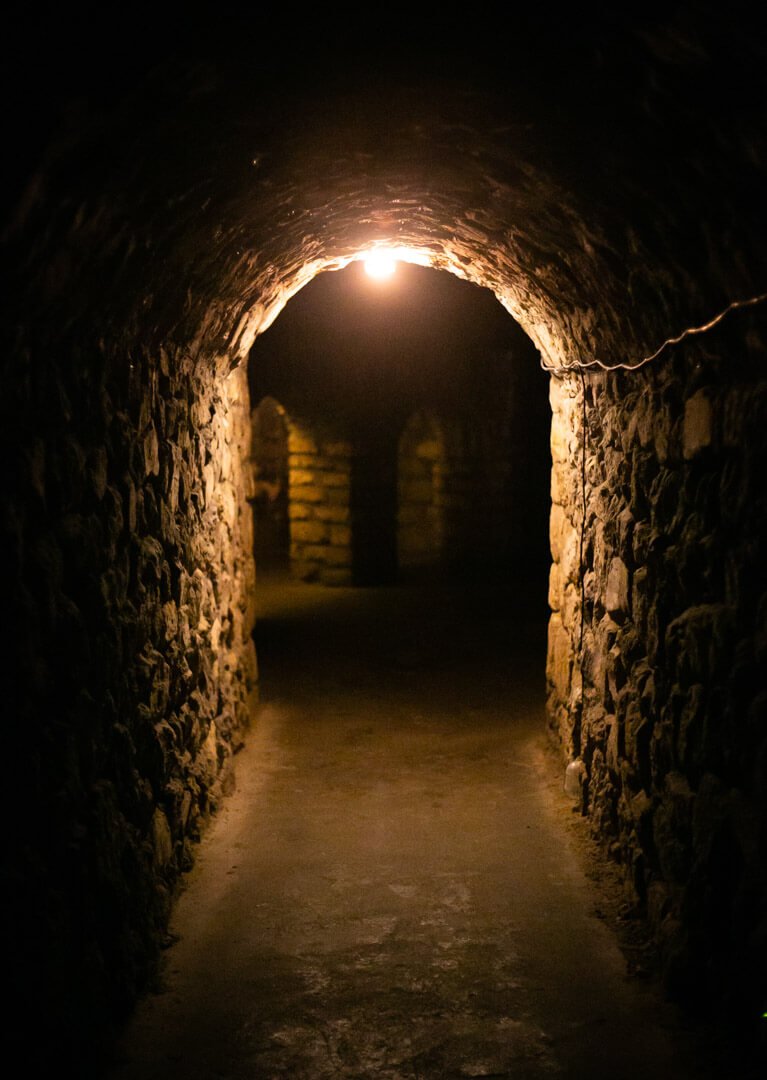
Certain destinations simply carry an atmosphere that stays with you long after you leave. Underground tunnels, hidden passageways, abandoned ruins, fog-covered castles, ancient graveyards, and forgotten historical places create experiences that feel immersive and emotional.
Exploring places like the Labyrinth under Buda Castle feels less like traditional sightseeing and more like stepping into another world entirely. The darkness, silence, legends, and history all combine to create an atmosphere that lingers with you long afterwards.
Sometimes we remember how a place felt more than the facts themselves.
There is something strangely powerful about standing in places where history still feels alive — whether through architecture, atmosphere, folklore, memory, or cultural heritage.
Some of the most unforgettable historical sites in the world are not always the most famous, but the ones that leave you emotionally connected to the past.
Ossuaries, Catacombs, Crypts and Places of Remembrance
Some historical places force us to confront mortality directly.
Places like Capela dos Ossos, the famous Bone Chapel in Portugal, may initially seem unsettling, but they also reveal how different cultures viewed death, remembrance, and the fragility of human life.
There is beauty within darkness, just as there is darkness within beauty.
The world we live in was not built on positive development alone. There is no light without dark, Yin and Yang, Shiva and Shakti — creation and destruction existing side by side.
Places like ossuaries, graveyards, memorials, catacombs, and historical places of remembrance remind us that even uncomfortable history deserves to be remembered.
A lot of these spaces bring a sense of reflection and perspective. They remind us how temporary life really is, while also encouraging us to appreciate the lives we are living now.
UNESCO World Heritage Sites & Protected Places
Not every historical traveller is searching for darkness.
Some people experience history through museums, architecture, art, ancient cities, and European UNESCO sites. There is something powerful about standing in a place that has survived for hundreds or even thousands of years.
Walking through historical streets, Gothic cathedrals, castles, and ruins reminds us that countless people stood in those same places long before us.
Historical travel allows us to connect with the past in a way that books alone never can.
Whether exploring castles throughout Europe, discovering hidden folklore, visiting underground historical sites, or wandering through old cities alone, every place carries a story waiting to be uncovered.
Many travellers eventually begin creating their own personal list of World Heritage Sites, collecting experiences from famous landmarks to lesser-known ancient sites connected to mythology and history.

Finding Your Travel Style through Dark History & Ancient Historical Places
Your travel style is likely a mixture of many different things.
You may love mythology but also enjoy darker historical sites. You might enjoy folklore, museums, architecture, ancient ruins, UNESCO sites, or simply places with atmosphere and mystery.
Whether we’re wandering through an ancient labyrinth beneath a castle, standing among the silent bones of an ossuary, or exploring the ruins of a long-forgotten civilisation, these places remind us that history is far more than words on a page. They allow us to experience the past through our own senses, encouraging us to question, imagine, and better understand the lives, beliefs, and traditions of those who came before us.
Perhaps that’s why so many of us are drawn to dark history and ancient places. They awaken a natural curiosity about the unknown, invite us to uncover forgotten stories, and connect us to the mysteries that continue to shape the world we live in. From tales of magic and folklore to moments of triumph and tragedy, every destination offers another piece of the human story.
Whether you consider yourself a dark tourist, a culture vulture, or somewhere between the two, travel has a remarkable way of bringing history to life. It transforms curiosity into understanding and turns places we once read about into experiences we’ll never forget. After all, the greatest journeys aren’t always about where we go—they’re about the stories we discover and the new perspectives we bring home with us.
On this blog you will find:
- Dark history and dark tourism throughout Europe
- Mythology, legends, folklore, and folk tales
- Ossuaries, graveyards, and places of remembrance
- Castles, ruins, and underground historical sites
- Gothic architecture and UNESCO World Heritage Sites
- European UNESCO sites and UNESCO cultural heritage
- Solo female travel experiences.
- Ancient places, ancient sites, and historical figures
- European city guides and cultural travel
- Natural world heritage sites and atmospheric destinations
- Why We Keep Searching for Ancient Places
At the end of the day, travel is personal, and where you go will reflect your needs or questions in life.

Follow Your Interests and what Fascinates You!
By following your own interests and allowing yourself to explore what genuinely fascinates you, you begin to build a deeper understanding not only of the world around you, but also of yourself.
From famous UNESCO World Heritage Sites to hidden ancient places connected to folklore and dark storytelling, historical travel allows us to experience the world through memory, myth, and human history in a way few other experiences can.
Whether visiting UNESCO World Heritage sites, exploring natural world wonders, wandering through forgotten ruins, or discovering lesser-known historical sites in the world, every journey reveals a different perspective on the past and on your present.
Because every journey is unique. .
Curious for More...?
If you have read and enjoyed this blog post, or it has resonated with you in some way, I would be intrigued to hear your thoughts so leave a comment below and start a discussion!
This blog is intended to encourage you to travel, ignite curiosity in you, and of course explore the Dark History and magical nature of our beautiful World.
Of course, there are many Magical things that this world has to offer, there are many Shadows too.
If you are interested in the Magical, Mythical, and the Macabre, then this travel blog is for you!
As always, feel free to leave a comment, join my mailing list, or email me directly:
Louise X